
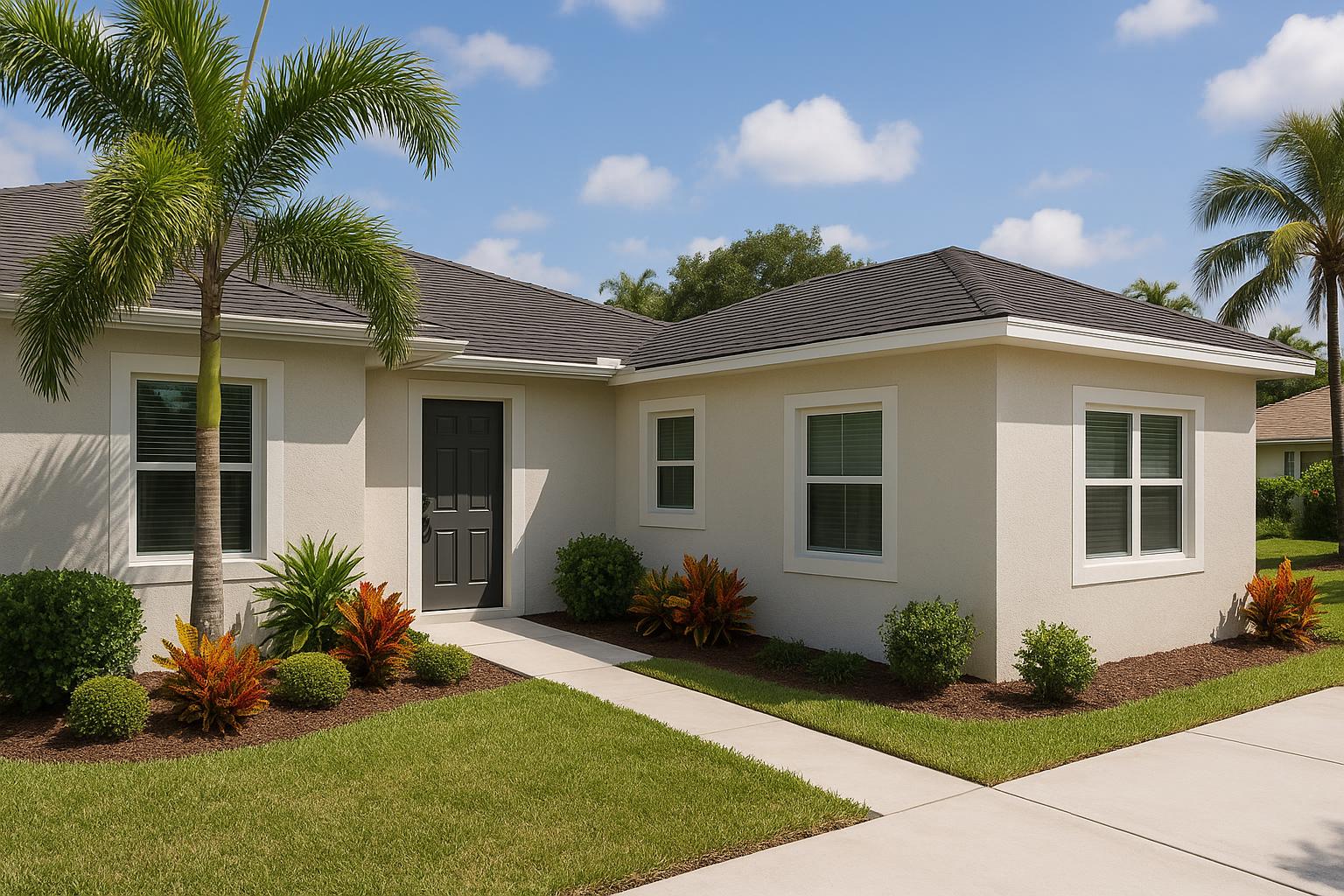
Why Room Additions Are So Popular in Oakland Park
Oakland Park homeowners love their neighborhoods. The tree-lined streets, the proximity to Fort Lauderdale's beaches, and the strong sense of community make it a place people want to stay. But as families grow or lifestyles change, many homes simply run out of space. That's where a room addition comes in — it lets you expand your living area without the hassle and expense of moving to a new home.
Whether you need an extra bedroom, a home office, an expanded living room, or a sunroom to enjoy Florida's year-round warmth, a well-planned room addition can dramatically increase both your comfort and your property value. But the key word here is well-planned. Without careful preparation, a room addition project can spiral into unexpected costs, timeline delays, and frustrating setbacks.
Here's how to plan your room addition the right way so you can enjoy the process — and the results.
Step 1: Define Your Goals Before Anything Else
Before you call a contractor or browse Pinterest boards, sit down and clearly define what you need. Ask yourself these questions:
- What problem am I solving? Do you need more bedrooms, a larger kitchen, a dedicated workspace, or additional storage?
- How will this space be used daily? A guest suite has very different requirements than a family room or home gym.
- What's my realistic budget? Be honest about what you can comfortably spend, and always plan for a contingency fund of 10-15% above your base budget.
- What's my ideal timeline? Do you need the project completed before a specific event, season, or life change?
Having clear answers to these questions gives your contractor a solid foundation to work from and prevents costly mid-project changes.
Step 2: Understand Oakland Park's Permitting Requirements
One of the biggest surprises homeowners face is the permitting process. In Oakland Park, any structural addition to your home requires building permits from the city. This isn't just bureaucratic red tape — permits ensure your addition meets Florida building codes, which are especially important in a region prone to hurricanes and heavy storms.
Here's what you should know:
- Zoning regulations dictate how close your addition can be to property lines, how much of your lot can be covered by structures, and height restrictions.
- Impact fees may apply depending on the size and scope of your project.
- HOA rules may add another layer of approval if your home is in a community with a homeowners association.
A reputable local contractor will handle the permitting process for you, but it's smart to understand the basics so you're not caught off guard by timelines or fees. At Skyline Room Addition, we manage all permitting and inspections so our clients can focus on the exciting parts of their project.
Step 3: Choose the Right Contractor (and Ask the Right Questions)
Your contractor is the single most important decision you'll make. A skilled, communicative contractor turns a complex construction project into a manageable experience. Here's what to look for:
- Local experience: A contractor who works regularly in Oakland Park and surrounding areas like Wilton Manors, Fort Lauderdale, and Pompano Beach will understand local building codes, soil conditions, and common architectural styles.
- Proper licensing and insurance: In Florida, general contractors must hold a state license. Always verify this and confirm they carry liability insurance and workers' compensation coverage.
- A detailed written estimate: Vague quotes are a red flag. Your estimate should break down materials, labor, permits, and a clear scope of work.
- References and a portfolio: Ask to see completed projects similar to yours and speak with past clients about their experience.
Questions Worth Asking
- How do you handle unexpected issues that arise during construction?
- What is your projected timeline, and what could cause delays?
- Who will be my primary point of contact throughout the project?
- Do you handle permits and inspections, or is that my responsibility?
- What warranty do you offer on your work?
Step 4: Design for Cohesion, Not Just Function
A room addition should feel like it was always part of your home. One of the most common mistakes homeowners make is focusing entirely on function without considering how the new space integrates with the existing structure.
Pay attention to these design elements:
- Roofline: The addition's roof should match or complement your home's existing roofline. A mismatched roof is the fastest way to make an addition look like an afterthought.
- Exterior materials: Use the same or compatible siding, stucco, or brick so the addition blends seamlessly.
- Flooring transitions: Whether you're extending existing flooring or introducing something new, the transition between old and new spaces should feel natural.
- Interior flow: Think about how you'll move between the new room and the rest of your home. Awkward hallways or poorly placed doorways can undermine even the most beautiful addition.
Many Oakland Park homes were built in the mid-20th century with distinct South Florida architectural character. A thoughtful design preserves that character while giving you the modern space you need.
Step 5: Prepare Your Home and Your Family
Construction is disruptive — there's no way around it. But you can minimize the stress with a little preparation:
- Set up a temporary routine. If your kitchen or bathroom will be affected, plan alternative arrangements in advance. A microwave station in the dining room or a temporary bathroom schedule can make a big difference.
- Protect your belongings. Move furniture, artwork, and valuables away from the construction zone. Dust and debris travel farther than you'd expect.
- Communicate with your contractor. Establish a regular check-in schedule — whether it's a daily text update or a weekly walkthrough — so you always know what's happening and what's coming next.
- Talk to your neighbors. A quick heads-up about construction noise and activity goes a long way toward maintaining good relationships on your street.
Step 6: Think Long-Term Value
A room addition is a significant investment, and it should pay dividends for years to come. According to national remodeling data, well-executed room additions can recoup 50-70% of their cost at resale, and in desirable South Florida markets, the return can be even higher.
To maximize your investment:
- Don't over-build for your neighborhood. Adding a 1,000-square-foot wing to the smallest house on the block may not yield the return you expect.
- Invest in energy efficiency. Impact-rated windows, proper insulation, and efficient HVAC extensions reduce your utility bills and appeal to future buyers.
- Choose quality materials. In Florida's humid climate, moisture-resistant drywall, durable flooring, and quality paint finishes aren't luxuries — they're necessities.
Ready to Expand Your Oakland Park Home?
A room addition is one of the most rewarding home improvement projects you can undertake. It gives you the space you need in the home and neighborhood you already love. The key is thorough planning, the right team, and a clear vision for the finished result.
At Skyline Room Addition, we've helped homeowners throughout Oakland Park, Fort Lauderdale, Lighthouse Point, and Lauderhill transform their homes with expertly crafted room additions. From the first design consultation through the final walkthrough, we handle every detail so you can enjoy the journey — not just the destination.
If you're considering a room addition, reach out to us today for a free consultation. Let's talk about your vision and build a plan that brings it to life.